

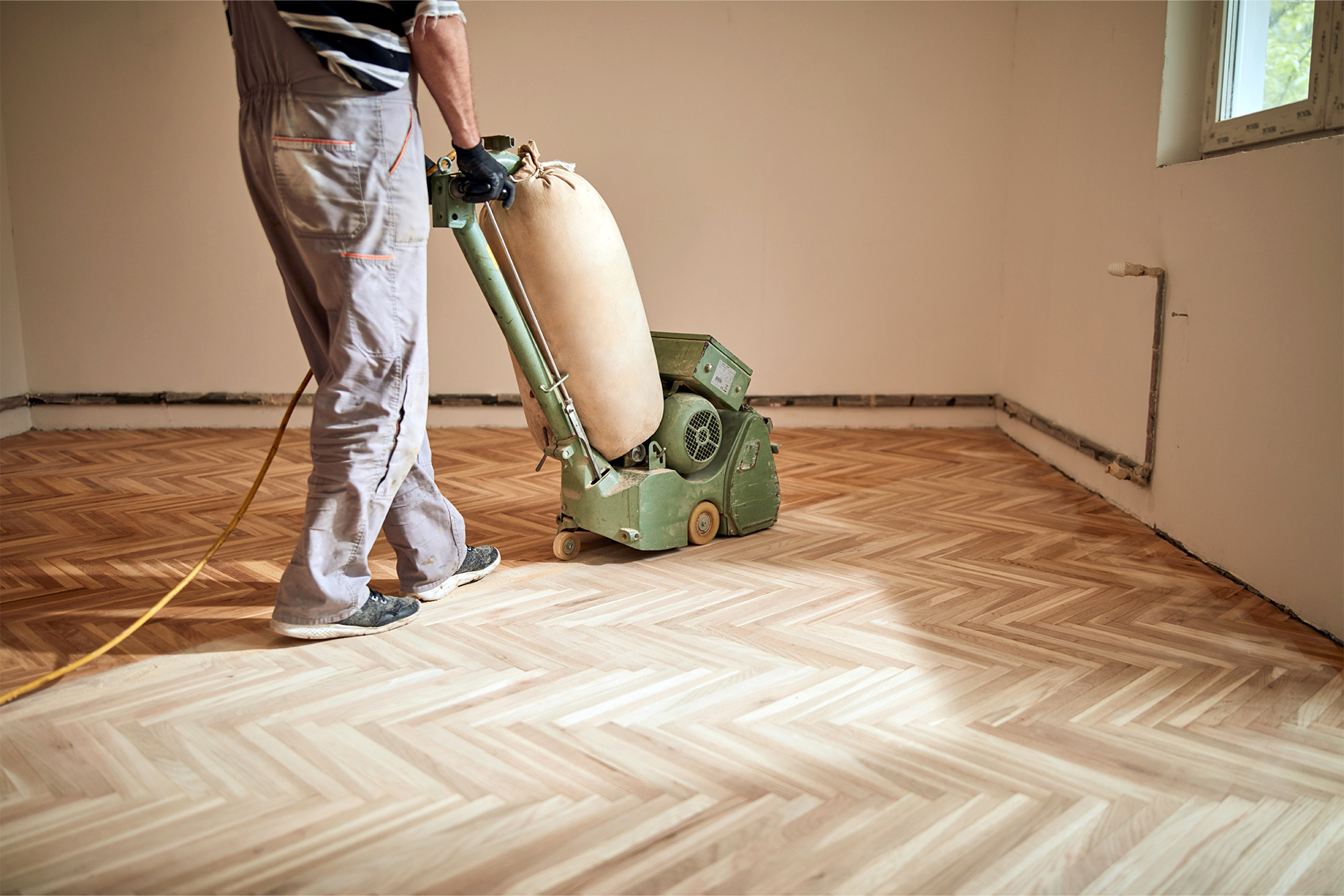
A lot of homeowners ask us this after they’ve lived with the same floor for years and suddenly notice the wear all at once. Maybe the traffic lane from the kitchen to the family room has dulled, the dog’s favorite corner is full of light scratches, or the finish near the entry has stopped reflecting light the way it used to. In a place like Newtown Square, where many homes mix busy daily use with long-term pride of ownership, refinishing is usually less about age alone and more about what the surface is telling you.
There isn’t one fixed schedule
Most hardwood floors need refinishing every 7 to 15 years, but that range is wide for a reason. A formal dining room that sees socks and chair pads lives a very different life than a kitchen, mudroom edge, or hallway that takes grit, moisture, and constant foot traffic. Sun exposure matters too, especially on floors near large windows where finish can fade or dry unevenly over time.
Just as important is the difference between finish wear and wood damage. If the coating looks dull, lightly scratched, or patchy, the floor may be ready for hardwood refinishing long before the boards themselves are in trouble. Waiting too long can let that wear-through reach bare wood, which narrows your options and makes the project more involved.
The signs are usually easy to spot once you know them
Homeowners often assume refinishing starts when a floor looks old. In practice, the better cue is performance. If the surface no longer cleans up well, if small scratches seem to multiply quickly, or if water sits on top for a moment and then darkens the area, the protective layer may be failing.
Seasonal movement can confuse the picture. Around the Philadelphia Main Line, humid summers tend to swell wood, while winter heat pulls moisture out and makes small gaps more visible. Those changes are normal. What deserves closer attention is a finish that looks thin in traffic lanes, grayness in the grain, or recurring dirt that seems trapped rather than wiped away. Good routine care can slow that decline, which is why we often recommend consistent hardwood floor care between larger restoration cycles.
Some floors need screening, not full sanding
Not every tired-looking floor needs a complete refinish. If the finish is worn but the color is still intact and the boards are healthy, a screen-and-recoat can often restore sheen and add protection without cutting deeply into the wood. That lighter service is especially useful when homeowners catch wear early instead of waiting for raw wood to show.
Once stain has worn off, pet damage has penetrated, or older finishes have built up unevenly, full sanding becomes the better route. At Alpine Flooring & Design, we use 99% dust-free sanding with high-velocity vacuum systems, which makes a major difference in lived-in homes. For older properties nearby, including many hardwood projects in Wayne, timing the work before damage deepens often preserves more of the original floor and keeps the result more consistent.
If you’re debating refinish versus replace, start with what you have
Many solid hardwood floors can be restored several times, and even some engineered products have enough wear layer to support future work. That’s why we rarely treat visible wear as an automatic reason to start over. In many cases, restoring an existing floor gives you better value than replacing material that still has years of life left in it.
Replacement makes more sense when boards are structurally compromised, previous sandings have left too little material, or the layout is changing enough that patching would look forced. If you’re still comparing possibilities, it helps to browse the hardwood we carry so you can weigh restoration against a new floor with a clear eye. We’re an NWFA member, and that perspective matters: the right answer depends on thickness, condition, species behavior, and how the room is actually used.
If your floors are looking tired and you want an honest read on what they need, we’d be glad to help you sort through the options in person or on site. You can start with a free estimate.


