
If you live in an older home in Newtown Square, you may know the pattern: the heat kicks on, the air feels dry, and every dusty corner suddenly seems easier to notice. Floors play a bigger role in that than most people realize. Carpet can hold onto pollen, pet dander, and fine debris, while a well-finished wood floor gives you a surface that is easier to keep clean and easier to live with during allergy season.
Why hardwood can be easier on indoor air
For many households, the first benefit of hardwood is simple: it does not trap allergens the way soft surfaces often do. Dust, hair, and outdoor particles stay on top instead of settling deep into fibers, which means routine sweeping and careful cleaning actually remove what you can see. That alone can make day-to-day maintenance feel more effective.
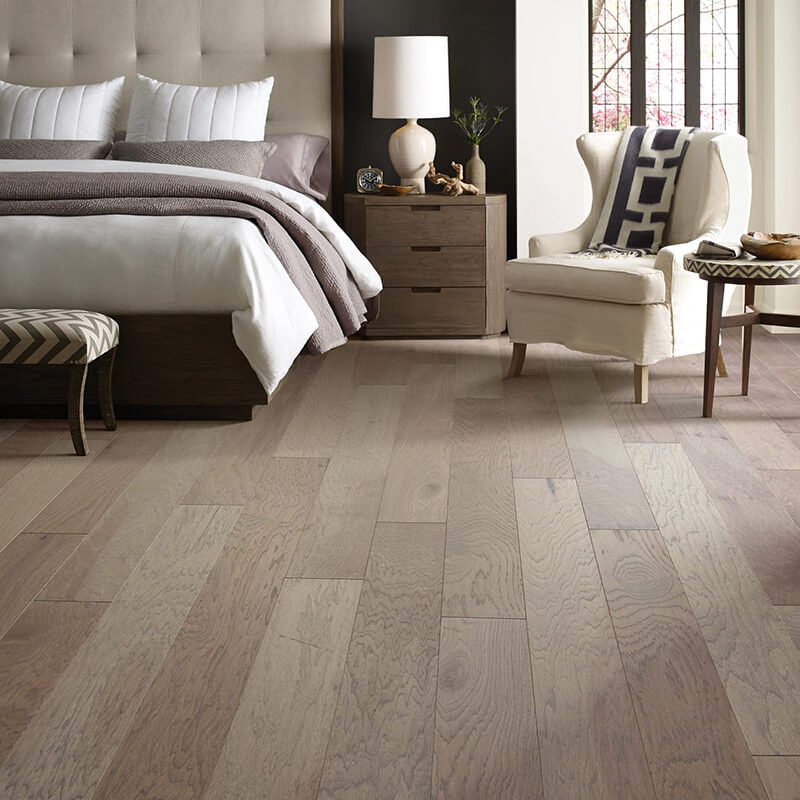
Still, not all wood floors perform the same way over time. Finish quality matters, board stability matters, and so does the material itself. If you are comparing options, it helps to start with the broader hardwood selection so you can think about construction, finish, and long-term upkeep together instead of focusing on color alone.
Where Lauzon stands out
Lauzon is worth a closer look for homeowners who care about both design and the feel of the home after installation. The brand is known for refined visuals, but just as important, its lines appeal to buyers who want a floor that supports a cleaner interior environment and holds up well through seasonal changes. In the Philadelphia suburbs, that stability matters because humid summers and dry winters can put stress on wood.
We often point readers toward Lauzon hardwood when they want a premium floor with a thoughtful finish system and a more health-conscious point of view. That does not mean a floor can clean the whole house for you. It means the surface underfoot can be part of a smarter indoor-air strategy, especially when paired with regular dust control and indoor humidity kept around 35 to 50 percent.
The finish matters as much as the wood
A floor that supports easier breathing still needs the right surface condition. Tiny scratches, worn finish, and residue buildup can make cleaning less effective because debris has more places to cling. That is one reason older hardwood sometimes starts to feel harder to maintain even if the boards themselves are still in good shape.
Before replacing a worn floor, it is often worth looking at our refinishing process to see what can be restored. At Alpine Flooring & Design, we use 99% dust-free sanding with high-velocity vacuum systems, which is especially relevant for families who do not want a refinishing project to create a second air-quality problem while solving the first.
Good habits keep the benefit going
Even an allergy-friendly floor needs the right care. Dry debris should be removed often, spills should not sit, and heavy cleaning products should be chosen carefully so they do not leave a film behind. A beautiful floor that always looks streaky or attracts grime is usually suffering from the wrong maintenance routine, not the wrong species.
That is why ongoing care matters just as much as product choice. Our guidance on hardwood floor care helps homeowners protect the finish, avoid avoidable buildup, and keep wood looking clean without overcomplicating the process. In homes from Wayne to West Chester, the biggest improvement often comes from a better plan, not a harsher cleaner.
If you want help comparing premium wood options or deciding whether your current floor should be restored, we invite you to visit our showroom or request a free flooring estimate.


