

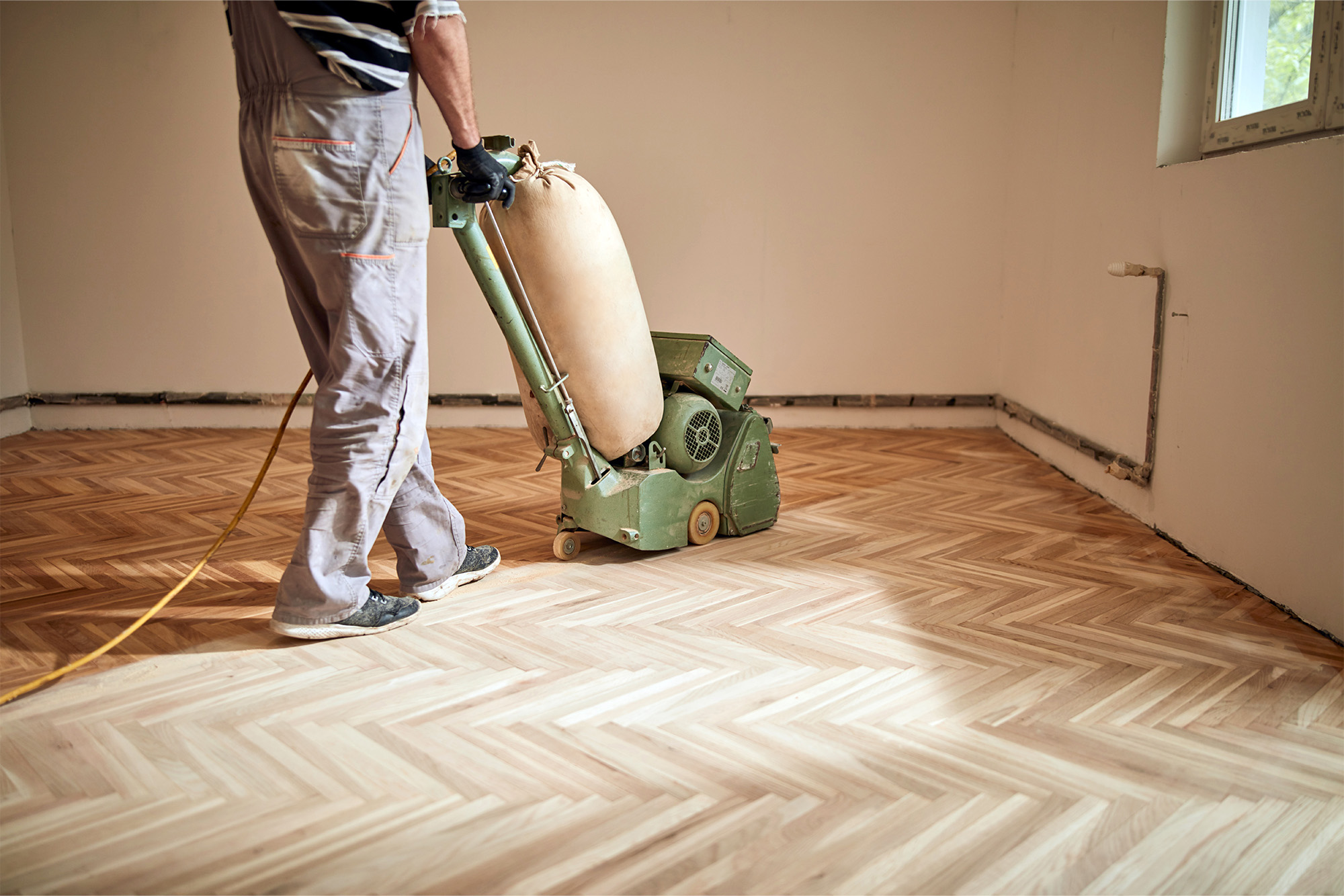
Here’s an uncomfortable truth about hardwood floors: some of the most popular “hardwood floor cleaning” products on the shelf are quietly ruining the floors they promise to protect. Shine sprays that build waxy film. Steam mops that force moisture into seams. Vinegar solutions that dull polyurethane. Homeowners follow the advice on the bottle for years — and then can’t understand why their floors look cloudy, sticky, or gray.
Caring for hardwood isn’t hard, but it is specific. As the team behind Alpine Deep Clean™ — and as Pennsylvania’s largest hardwood refinishing company, which means we see every possible way a floor can go wrong — here’s what actually works at home in Newtown Square and across the Main Line, what only a professional service can do, and how to tell which one your floor needs right now.
What Good DIY Care Actually Looks Like
Daily and weekly care has one job: keep grit and moisture off the finish. Grit is sandpaper underfoot; moisture is hardwood’s oldest enemy. Tap through the routine and build your habit list:
0 of 6 habits in place. That’s the entire playbook — the same one in our full hardwood floor care guide.
Notice what’s not on the list: wax, oil soaps, acrylic “restorer” polishes, steam, vinegar, and ammonia. On a modern polyurethane floor, those products don’t nourish anything — they either build a residue film that attracts dirt and can’t be mopped off, or they degrade the finish itself.
The Product Myths That Damage the Most Floors
Because they come up in nearly every deep-clean visit, here are the four DIY habits we most wish homeowners would drop. Tap each myth to reveal the fact:
Acrylic polish products deliver instant gloss by laying a plastic film over your finish — a film that scuffs white, attracts dirt, and can’t be mopped off. Removing hardened polish buildup is one of the most common reasons customers end up needing professional intervention. If your floor needs shine, it needs cleaning or recoating, not coating-over-dirt.
Vinegar is an acid. It doesn’t nourish wood — nothing needs to “feed” a polyurethaned floor; the cleaner never touches wood, only finish — and it slowly dulls and etches the very finish protecting the boards. Use a cleaner formulated for polyurethane-finished hardwood, full stop.
Steam is pressurized moisture plus heat — the two things wood tolerates worst. Steam forces vapor into board seams and micro-cracks, causing edge swelling, whitening, and finish failure. No hardwood manufacturer recommends steam; several void warranties over it. This applies to laminate flooring even more strongly.
On modern finishes, oil soaps leave a residue layer that dulls quickly, smears under mopping, and interferes with future recoating — a floor cleaned with oil soap for years may need a full strip or sanding before new finish will bond. If a recoat is in your floor’s future, this habit is actively expensive.
Why Floors Get Dull Anyway — the Part DIY Can’t Fix
Even with perfect habits, every hardwood floor slowly accumulates what mopping can’t remove: microscopic grit ground into the finish’s texture, residue from years of cleaning products, cooking film in kitchens, and traffic-lane buildup that household tools simply redistribute. The result is the classic complaint: “I just mopped and it still looks dirty.”
At that point, more mopping — or worse, a shine product to cover the dullness — moves you backward. What the floor needs is extraction: professional equipment that deep-scrubs the finish surface, lifts out embedded contamination, and removes it completely rather than pushing it around. That’s what an Alpine Deep Clean™ is: a low-cost, eco-friendly professional service that pulls years of buildup out of the floor and then protects the freshly cleaned surface, restoring luster without sanding a single board.
Think of it the way you think of dental care: daily brushing at home, periodic professional cleaning to remove what brushing can’t. Floors work the same way.
Deep Clean or Refinish? Find Your Floor’s Answer
A deep clean is powerful, but it works on one condition: the finish must still be intact. Professional cleaning restores a dirty finish; it cannot rebuild a worn-away one. Answer two quick questions:
1. Drop a teaspoon of water on a traffic area. What happens?
2. Do scratches catch your fingernail, or are boards graying?
Answer both questions and your floor’s recommendation appears here.
Your floor is a deep-clean candidate. The finish is intact but tired — an Alpine Deep Clean™ will extract the buildup and restore the luster, no sanding required. It’s the fastest, least expensive way to make hardwood look dramatically better.
Cleaning can’t fix this — the finish itself has failed. Water reaching wood or wood-level scratches mean it’s time for hardwood floor refinishing, which sands to bare wood and rebuilds the protection from scratch. Skip the cleaning appointment and get a free refinishing assessment instead.
Unsure either way? We offer both services, so we have no reason to sell you the wrong one — our customers will vouch for that.
Room-by-Room Quick Notes
Kitchens collect airborne cooking film that ordinary mopping smears rather than removes — the number-one zone where professional extraction shows a dramatic difference.
Entryways live or die by mats; grit concentration there is many times the rest of the house. Two mats — one outside, one breathable one inside — stop most of it.
South-facing rooms need sun management more than cleaning — fading is light damage, and no cleaner reverses it. Sheers or UV film slow the uneven fading that forces an early refinish.
Basements and baths shouldn’t have site-finished solid hardwood at all; if yours do and they’re struggling, ask us about waterproof flooring options that match the wood upstairs.
A Note for Households With Pets
Dogs and hardwood can coexist beautifully with two adjustments. First, nails: keep them trimmed, because click-clacking nails on a worn finish scratch wood directly. Second, accidents: urine left on hardwood doesn’t just stain — it penetrates and blackens the boards, and blackened boards can’t be sanded clear, only replaced. Blot accidents immediately and clean with a hardwood-safe product. In homes with senior pets, washable rugs over high-risk zones are the cheapest floor insurance available. If existing pet stains are already dark, that’s refinishing-with-board-replacement territory — get an assessment rather than scrubbing at wood that can’t be saved by cleaning.
The Habits That Stretch Time Between Professional Visits
A few small upgrades buy years: rugs in the kill zones (entryways, kitchen sink runs, hallway pivots) with breathable backings — and after a refinish, wait about a week before laying rugs back down so the finish cures; humidity moderation, because Pennsylvania swings from muggy summers to furnace-dry winters and wood moves with it; and a periodic professional deep clean — many busy households choose every 12–24 months — to reset the floor before buildup hardens into permanent dullness.
If you’re moving into a home with tired floors, the same logic applies in order: deep clean first if the finish is sound, refinish if it isn’t, and full replacement only when boards are beyond saving — you can explore hardwood options if it comes to that, but it usually doesn’t.
When to Book the Pros
Book a professional deep clean when your floor is structurally fine but mopping no longer brings back any shine, when you can feel a sticky or filmy texture underfoot, before hosting season, or before listing a home — it’s the fastest, cheapest way to make hardwood show-ready. Book a refinishing assessment instead when the water test fails or scratches have reached bare wood.
Either way, the first step is the same. Alpine serves the whole Main Line and Delaware County area from our Newtown Square showroom at 5121 West Chester Pike — including Newtown Square, Wayne, West Chester, Gladwyne, Havertown, Broomall, Media, and the nearby communities. Your floors have more life in them than you think — sometimes it just takes the right kind of clean to see it.
One honest look tells you whether it’s a deep clean or a refinish — and either way, you’ll know the real number.
Request Your Free Estimate →


