

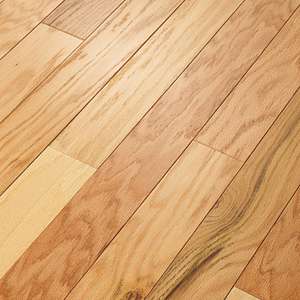
In a lot of older colonial homes, the oak underfoot tells the whole story. We see it in houses around the Philadelphia Main Line and in Newtown Square: boards dulled by decades of traffic, darkened at the edges, scratched where chairs have dragged, and worn pale in the sunny spots. That kind of floor can look tired, but tired is not the same as finished.
First, we find out what the floor can still give you
Original oak is often far more salvageable than homeowners expect. Before anyone talks about replacement, we look at board thickness, previous sanding history, loose planks, staining, and the condition of the existing finish. In many cases, a full hardwood refinishing service brings back color, clarity, and character that newer material would struggle to replicate.
That matters in colonials because age usually adds variation you cannot fake. Small mineral streaks, tighter grain, and subtle wear patterns tend to give old oak a grounded look that fits the architecture. As an NWFA member, we take that evaluation seriously, because the right answer is not always “start over.”
Expect sanding, repair work, and some honest decision-making
A proper refinishing project usually includes more than simply sanding off the top coat. We often reset loose boards, replace isolated damaged pieces, address old pet stains if they have not penetrated too deeply, and talk through sheen and color before finish goes down. Our process uses 99% dust-free sanding, which makes a major difference in older homes where trim details, radiators, and adjacent rooms can otherwise turn a messy job into a much bigger disruption.
Color is where expectations need to be realistic. Red oak and white oak accept stain differently, and older boards can carry sun fade or past repairs that show up once the finish is removed. If you want to compare that restored look with newer material before deciding, it helps to browse the hardwood options we carry so you can weigh restoration against replacement with clear eyes.
Older homes need finishes that suit real Main Line living
Colonial homes are beautiful, but they are not static environments. Humid summers in this area can swell wood, while dry winter heat can shrink it and open seasonal gaps. Refinishing cannot change that movement, but it can protect the surface and give you a better maintenance plan going forward.
That is one reason we spend time on finish selection and aftercare. A busy household may want a lower-sheen look that disguises everyday scuffs, while a formal room might justify a more polished appearance. After the work is done, regular upkeep and the right products matter just as much as the sanding itself, which is why our guidance on hardwood floor care is part of protecting the result.
Refinish or replace? The house usually tells you
In a Wayne colonial, refinishing often preserves the proportions and visual continuity that make the rooms feel settled. Replacement starts to make more sense when boards are too thin, water damage is widespread, or many areas were patched over time with mismatched material. Even then, we try to frame the decision around what will look right in the home, not what sounds simpler on paper.
If you are curious how restored older floors compare with completed projects, spending a few minutes with our recent work can help you see what is possible in houses with similar age and character. Alpine Flooring & Design has been doing this for more than 25 years, and the best outcomes usually come from choosing the route that respects both the wood and the home around it.
If your original oak floors are worn but still worth saving, we’d be glad to help you sort out the next step. You can visit our showroom or request a free flooring estimate.


